Suitable Age Groups
Caterpillar Play Tower
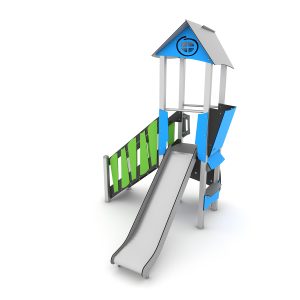
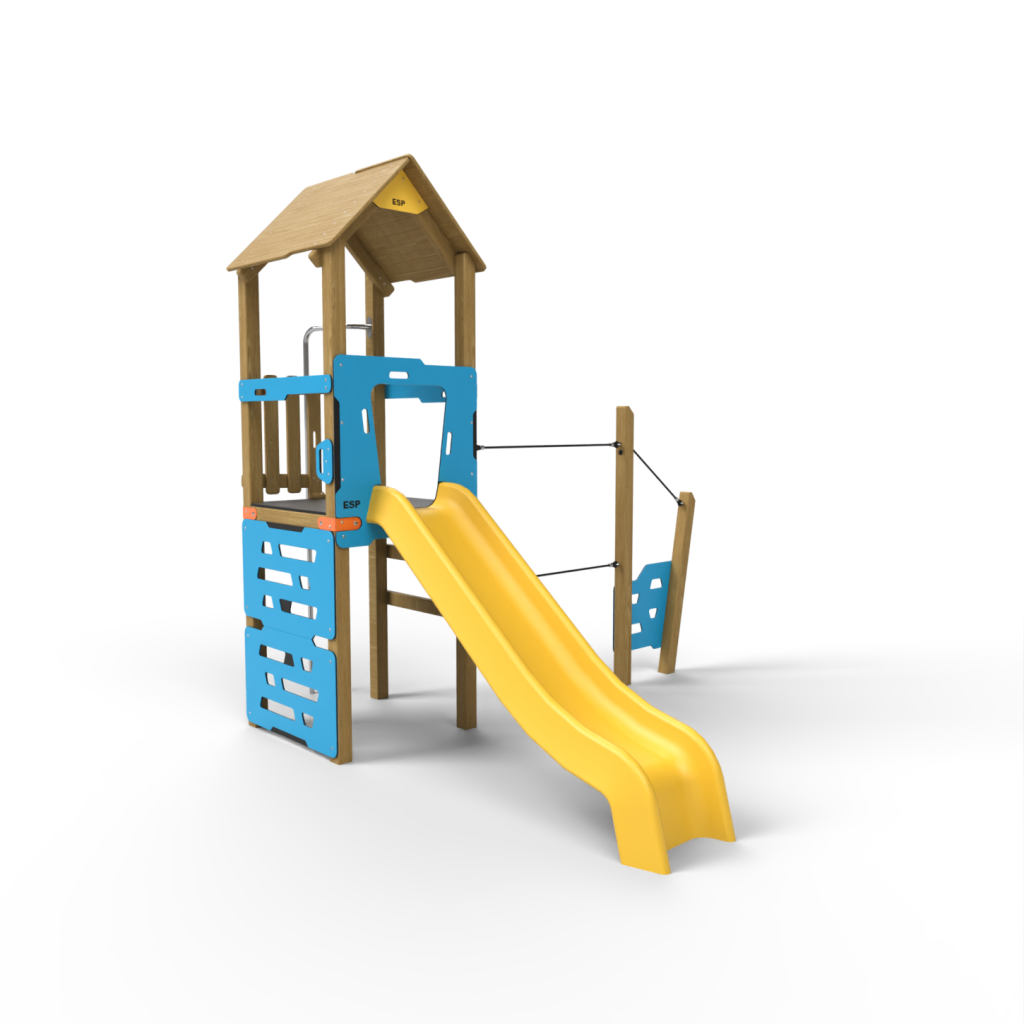
The Caterpillar Play Tower is a bright, compact timber play tower designed to pack plenty of play value into a small footprint. Its single-tower format makes it a practical choice for busy playgrounds where space is limited, while its bold colours and engaging design give children plenty of reasons to climb, explore and come back for more. Available in two colour options, the Caterpillar can be tailored to suit different school, nursery and community playground settings.
A range of climbing routes lead children up to the main play deck, where they can pause, look out across the playground and choose their next challenge. The Caterpillar's bright design brings a playful character to the space. Whether used as a colourful focal point or alongside a wider collection of school playground equipment, it has the distinctive look and feel of an ESP Play timber climbing frame.
Despite its compact footprint, the Caterpillar is designed to keep children active. Climbing, balancing, moving around the tower and choosing different ways to play all help develop physical confidence, coordination and strength, while the raised platform creates a natural space for children to play alongside their friends. Its simple layout makes it easy for children to understand and enjoy, with enough challenge to suit different ages and levels of confidence.
That combination of size, colour and play value makes the Caterpillar particularly useful where every square metre of playground matters. It works well as nursery play equipment, school playground equipment or as part of a larger outdoor play area, offering children an exciting destination without needing the space of a larger multi-tower structure. Its durable construction also makes it well suited to the demands of busy, everyday play.
Like all ESP Play equipment, the Caterpillar Play Tower is manufactured in the UK using laminated timber. Laminated timber is engineered by bonding layers of graded timber under pressure, producing posts that are stronger, straighter and far more resistant to twisting, warping and splitting than solid sawn timber. The result is a frame that holds its shape season after season, with clean lines and a smooth finish that's kinder to small hands. All timber is pressure-treated for long-term protection against rot and insect attack.
Designed, engineered and built by our own team, the Caterpillar Play Tower is installed by ESP Play and supported by our aftercare service, giving schools, nurseries and community spaces a bright, durable and space-efficient piece of UK playground equipment that's built to stay busy for years to come.
SKU: TWR003-RF-RU-LB
Material Specifications
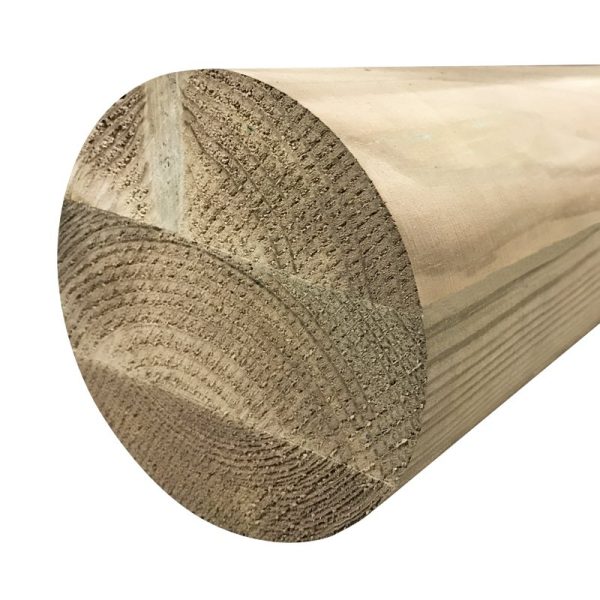
Laminated Timber
Glulam redwood timber poles provide exceptional strength, have a greater resistance to splitting, and offer a high quality smooth finish.
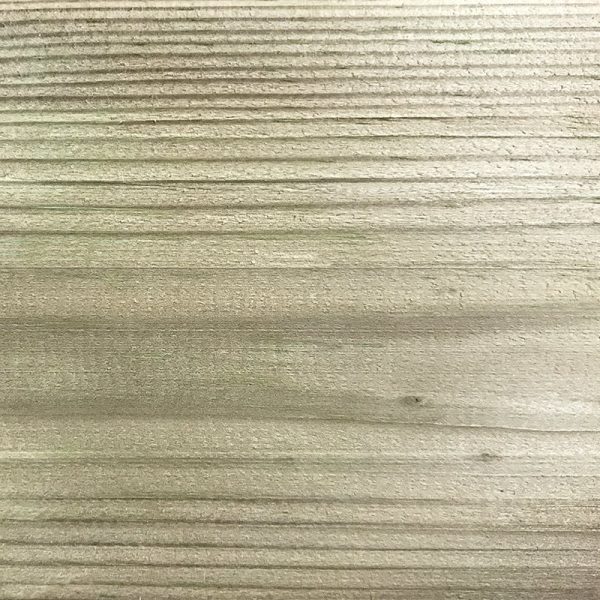
Sawn Timber
Sawn redwood timber from FSC sustainable sources, all pressure treated to class 4 after all manufacturing processes have been completed.
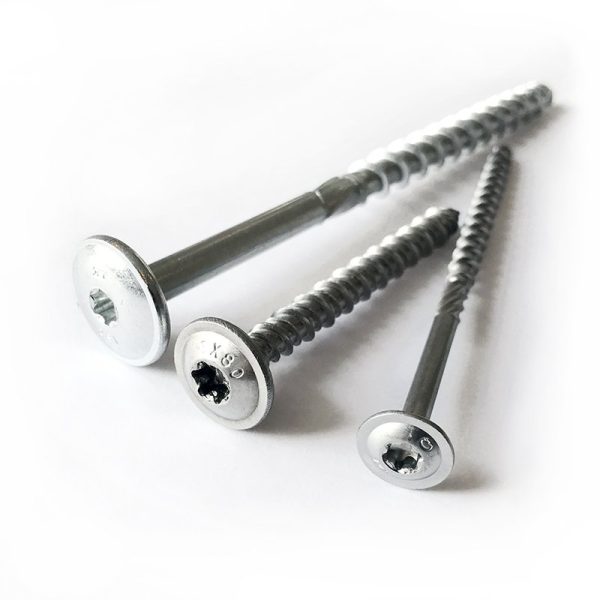
Quality Steel Fixings
All nuts, bolts, screws and brackets are zinc plated or stainless steel to prevent against corrosion and to ensure longevity and safety.
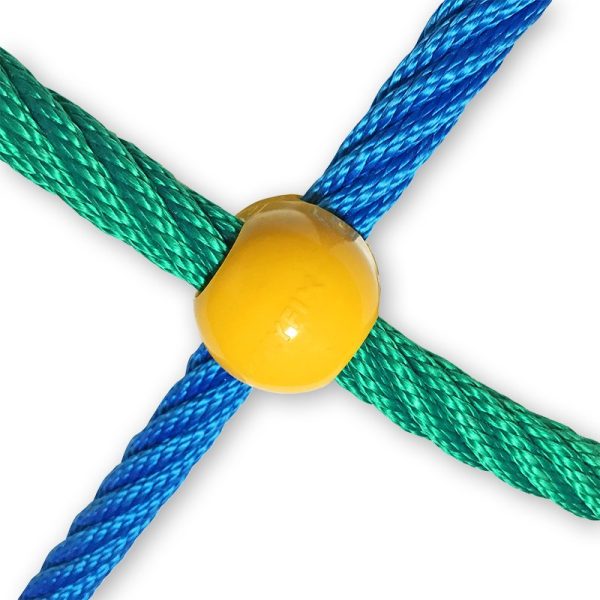
Steel Cored Ropes
Colourful steel cored polypropylene ropes are used to ensure safety, durability, and vandal resistance.
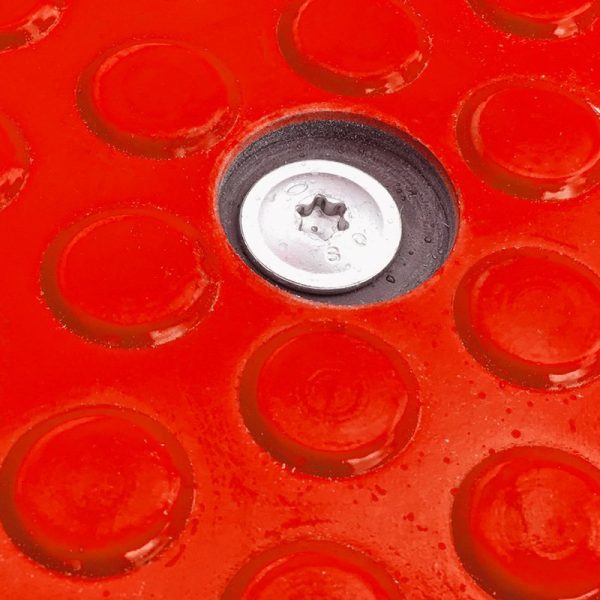
Anti-slip Panels
Colourful steel cored polypropylene ropes are used to ensure safety, durability, and vandal resistance.
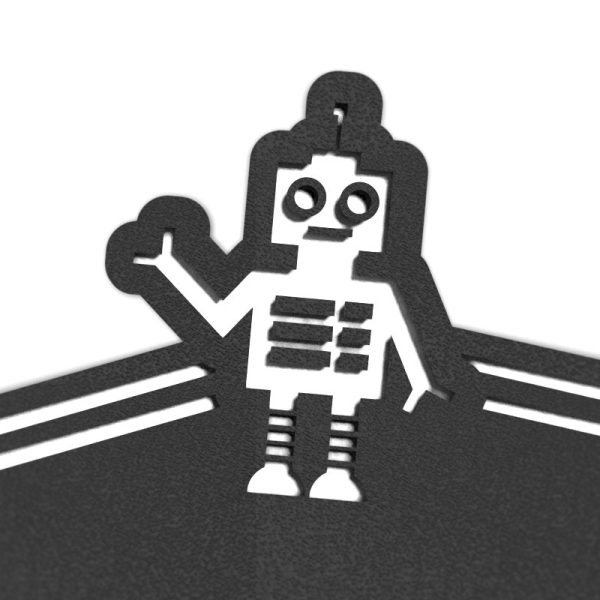
HDPE Panels
High Density Polyethylene panel are highly durable and vandal resistant. The multicolored panels allow for intricate designs to be routed for additional play value.
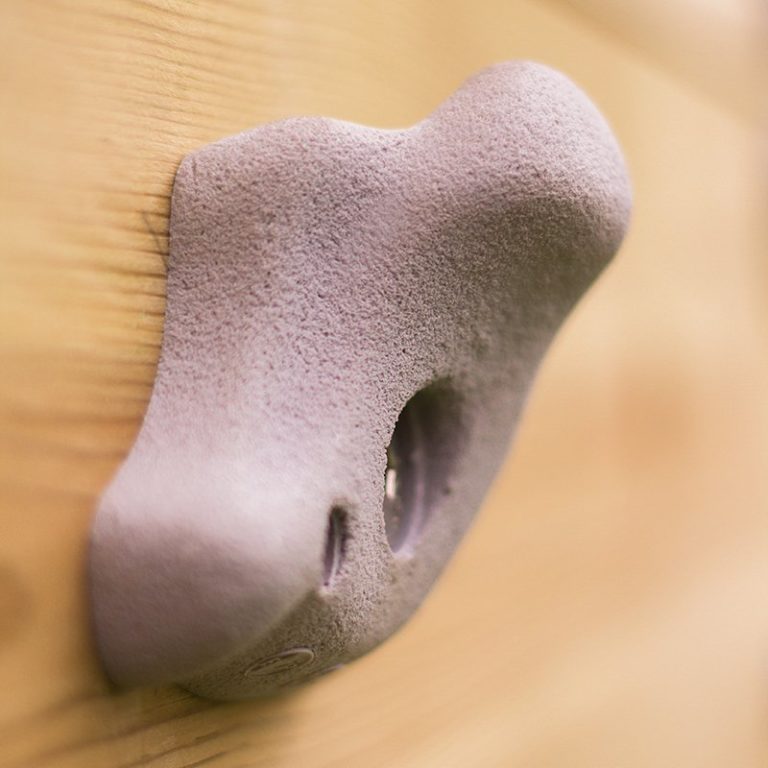
Handholds
Large size professional handholds made from resin bound sand with stainless steel threaded inserts and anti-spin secondary fixing point.
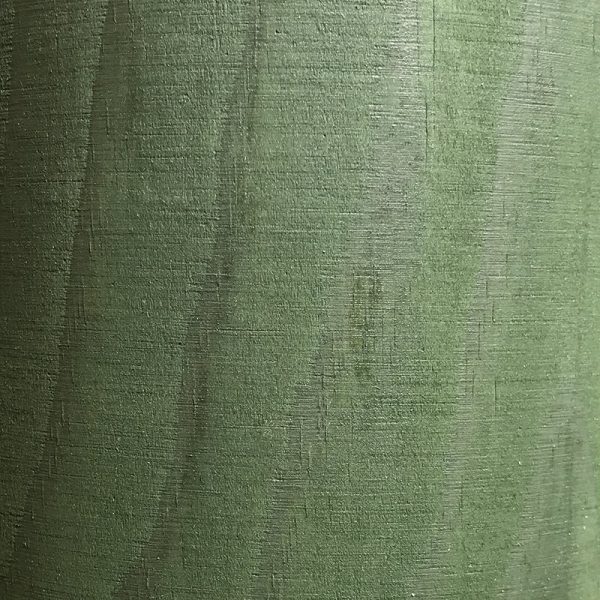
Timber Paint
A high quality, satin finish, oil-based wood stain that is child-friendly and won’t stain clothes or peel away from the timber.
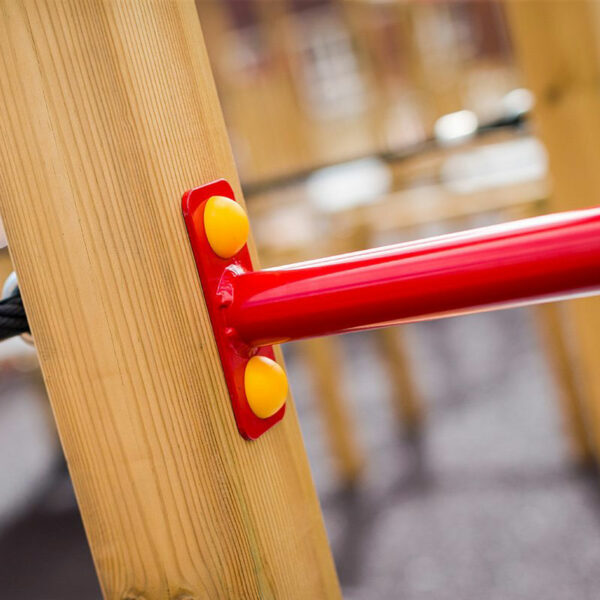
Painted Steelwork
Steelwork is either aluminium or galvanised mild steel and is treated and primed prior to receiving a vibrant painted finish.
Product Labels
Aluminium labels are affixed to all our equipment at quality control stage prior to dispatch. Each label contains our details, the product ID, and year of manufacture.
FSC Sourced Timber
We only use timber that has been responsibly sourced from managed forests with the FSC accreditation.
Timber Treatment
We pressure treat all our timber with Tanalith E wood preservative after all of our manufacturing processes are complete to class 4 which prevents against all forms of wood decay and insect attack.
| Free Fall Height | 1.5m |
| Minimum Surfacing Area | 31.2m² |
| Minimum Space Required | 7.1m x 6.5m |
| Dimension of Largest Part | 3850mm |
| Mass of Heaviest Part (Kg) | 32kg |
| Wheelchair Accessible | No |
| Spare Part Availability | 2-4 Weeks |
| Min persons required for assembly | 2 |
No schematics available.
Information
No information available for this product.
Certificate
No certificate available for this product.
Get in Touch with our Team
Fill in the form below and we will get back to you.